
Introduction to Classroom 30x
Classroom 30x represents a significant advancement in the educational landscape, characterized by the integration of innovative teaching methodologies and technological tools. The primary objective of Classroom 30x is to enhance student engagement and improve learning outcomes by creating an interactive and dynamic learning environment. This approach acknowledges the need for an educational system that evolves in response to the diverse needs of students in the 21st century.
As we transition from traditional classrooms to Classroom 30x, there is a notable shift in the pedagogy employed by educators. Rather than relying solely on instructor-led lectures, Classroom 30x emphasizes collaborative learning, critical thinking, and problem-solving. This represents a departure from conventional teaching methods, where rote memorization and passive listening were often standard practices. In Classroom 30x, educators act as facilitators, guiding students through an exploratory process that fosters deeper understanding and retention of knowledge.
The role of technology cannot be understated in the context of Classroom 30x. The integration of digital resources, online platforms, and interactive tools has transformed the way educators deliver content and interact with students. Multimedia presentations, virtual simulations, and gamification are just a few examples of how technology can enhance the learning experience. Such tools promote active participation, enabling students to take ownership of their learning journey and collaborate effectively with their peers.
Ultimately, Classroom 30x seeks to prepare students for the complexities of modern society by developing essential skills and competencies. Through this innovative approach, the classroom becomes a vibrant space for exploration, creativity, and continuous growth, setting the stage for a future-driven education that meets the demands of an ever-changing world.
Key Features of Classroom 30x
The concept of Classroom 30x represents a transformative approach to education, emphasizing collaboration, technology integration, and flexibility in learning environments. One of the most notable features of Classroom 30x is the collaborative learning environments it fosters. In these spaces, students are encouraged to work together on projects, engage in dialogues, and support each other’s learning processes. By promoting teamwork, Classroom 30x prepares students for real-world scenarios where collaboration is essential.
Technology plays a significant role in this modern classroom setting. Tools such as interactive whiteboards and online platforms enhance the learning experience, allowing educators to present information dynamically and engagingly. These technologies encourage student participation through interactive lessons and instant feedback mechanisms. Through the use of educational software and applications, students can access resources tailored to their individual learning styles, helping them grasp complex concepts with greater ease.
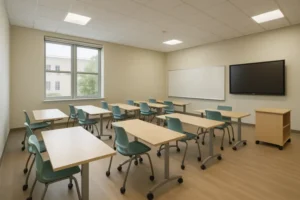
Another critical feature of Classroom 30x is its flexible layout. Unlike traditional classrooms, which typically feature rigid rows of desks, Classroom 30x can be reconfigured to suit various activities, whether group projects, discussions, or independent work. This adaptability not only promotes active learning and engagement but also accommodates diverse learning styles. For instance, educators can arrange furniture to facilitate small group discussions or create quiet spaces for focused study. This versatility ensures that learning is personalized and effective for all students.
Real-life applications of Classroom 30x can be observed in institutions such as the University of Sydney, where flexible learning spaces are designed to cater to group work and interactive projects. Additionally, schools like Glenwood High School have successfully implemented technology tools that support active learning in their classrooms. These examples underscore how the core features of Classroom 30x are effectively reshaping educational practices and enhancing student outcomes.
Benefits of Implementing Classroom 30x
The adoption of Classroom 30x in educational institutions brings forth numerous benefits that significantly enhance the learning experience for both students and educators. One of the primary advantages is the improvement in student outcomes. Classroom 30x utilizes innovative teaching methodologies that foster engagement and comprehension, enabling students to grasp complex concepts more effectively. This improved understanding has been linked to higher academic performance and a deep-seated enthusiasm for learning.
Additionally, Classroom 30x promotes increased collaboration among students. By integrating technology and interactive elements, the classroom transforms into a dynamic environment where students can work together on projects and share ideas. This collaborative approach not only allows students to develop essential teamwork skills but also encourages peer learning, which has proven to be one of the most effective forms of education.
Enhanced teacher-student interactions constitute another advantage of Classroom 30x. The model encourages educators to adopt a more hands-on approach in their teaching. Teachers can facilitate discussions, provide personalized feedback, and guide students through their learning paths, leading to deeper connections and a better educational experience. Such interactions contribute to student engagement and motivation, allowing educators to cater to individual learning styles more effectively.
Moreover, Classroom 30x fosters a more inclusive learning environment. By employing diverse teaching methods and encouraging participation from all students, this model ensures that everyone’s voice is heard. This inclusivity helps to create a sense of community and belonging within the classroom, which is vital for the social and emotional well-being of students.
Testimonials from educators and students highlight the positive transformation that Classroom 30x brings to the quality of education. Many express gratitude for its role in preparing students for the future job market, emphasizing the importance of adaptability, collaboration, and critical thinking skills that are cultivated in this modern learning atmosphere.
Challenges and Considerations
The transition to Classroom 30x represents a significant shift in educational methodologies, but it is not without its challenges. One of the foremost obstacles is the necessity for professional development for educators. Teachers who are accustomed to traditional methods may find it daunting to adapt to new technologies and pedagogical strategies that Classroom 30x embodies. Training programs must be designed to not only introduce the tools but also to foster a mindset geared towards innovation and flexibility in teaching practices.
Another critical consideration is budget constraints. Implementing Classroom 30x can require significant investment in technology infrastructure, including hardware and software resources as well as ongoing maintenance costs. Schools may face difficulties in securing the necessary funding, especially in districts already operating under tight budgets. It is essential for educational institutions to explore various funding options, including grants and partnerships with technology providers, to alleviate some of these financial pressures.
Furthermore, resistance to change from faculty who prefer established teaching methodologies can hinder the seamless adoption of Classroom 30x. To address this concern, schools should engage teachers in the transition process, allowing them to voice their apprehensions and participate in decision-making. Building a supportive community for educators, where experiences can be shared and best practices can be discussed, can significantly enhance their willingness to embrace change.
Equity and accessibility present additional challenges as schools implement Classroom 30x. Ensuring that all students have equal access to technology is paramount in preventing educational disparities. Schools must consider various strategies to overcome these obstacles, such as providing resources for families in need or utilizing community partnerships to enhance technological access for underprivileged students. By approaching these challenges proactively, schools can create a more inclusive environment that benefits all learners.
