
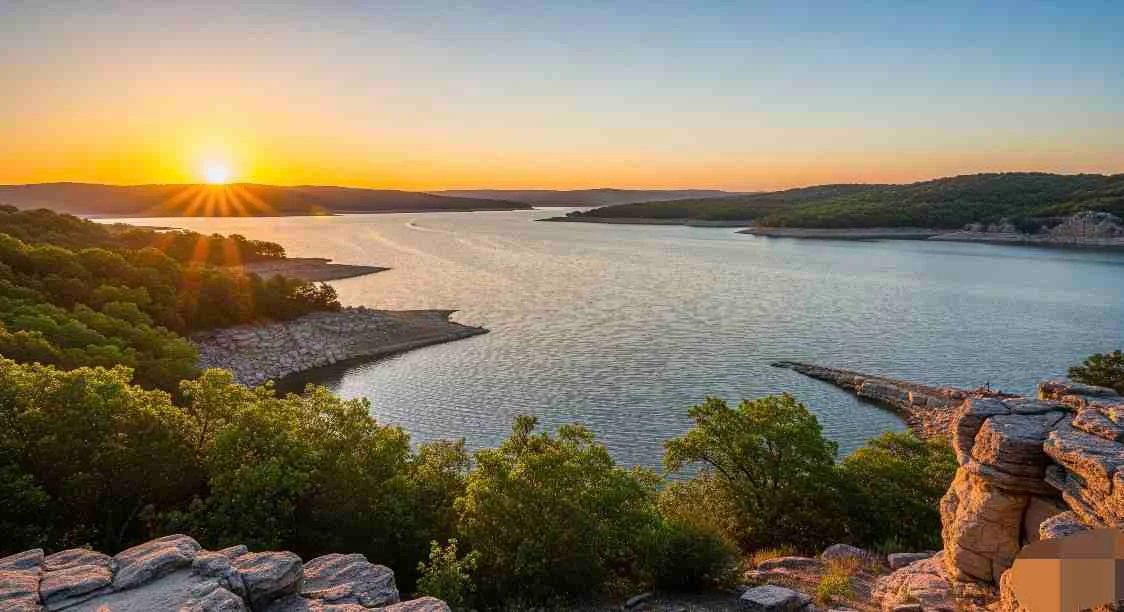
Lake Texoma Should Be Capitalized: A Tribute to Nature’s Gem
Introduction to Lake Texoma
Located on the border between Texas and Oklahoma, Lake Texoma is one of the largest reservoirs in the United States, covering approximately 89,000 acres of sparkling water. Formed by the construction of the Denison Dam on the Red River in the 1940s, this magnificent lake has become a significant water resource, providing both recreational opportunities and essential services for the surrounding communities.
Lake Texoma is renowned not only for its vast size but also for its diverse ecosystems that support numerous species of fish, birds, and wildlife. As a favorite destination for anglers, the lake boasts a rich population of striped bass, catfish, and crappie, making it a prime location for fishing enthusiasts seeking exciting experiences. Furthermore, the lake offers various recreational activities such as boating, swimming, and water sports, drawing visitors eager to enjoy its lush scenery and recreational facilities.
The significance of Lake Texoma extends beyond recreation; it plays a critical role in flood control, irrigation, and as a source of drinking water for nearby towns. Its shoreline features several parks and camping areas, which not only enhance the recreational appeal but also highlight the lake’s environmental importance. With its habitat conservation initiatives, Lake Texoma stands as a testament to the balance between nature and human activity, emphasizing the significance of preserving natural resources.
As we delve deeper into what makes Lake Texoma a precious gem in the landscape, it becomes evident that its appeal rests not only in its recreational offerings but also in its environmental and cultural importance to the region. This exploration of Lake Texoma will reveal how this magnificent body of water serves as a cornerstone for sustainability and community engagement.
Why ‘Lake Texoma’ Should Be Capitalized
The term ‘Lake Texoma’ qualifies as a proper noun within the English language. Proper nouns are specific names used to identify particular people, places, or organizations and are conventionally capitalized to distinguish them from common nouns. The capitalization of names such as ‘Lake Texoma‘ not only adheres to grammatical rules but also signifies the uniqueness of the geographical location. In this case, the word ‘Lake’ serves as a descriptor for this specific body of water, and ‘Texoma’ denotes its distinctive identity.
In general, when referring to geographical features like lakes, rivers, mountains, and other landmarks, the accompanying names should always be capitalized. For instance, compare the phrases ‘the Grand Canyon’ or ‘Lake Michigan.’ Notice that both the common noun (Canyon, Lake) and the specific identifier (Grand, Michigan) follow the standard convention of capitalization, highlighting their status as notable geographical entities.
Furthermore, the rules of capitalization apply broadly across various contexts in the English language. Whether it is in formal writing or casual communication, the consistent use of capitalization aids in clarity and comprehension. The recognition of specific locations such as LAKE TEXOMA helps to maintain a level of respect and acknowledgment towards them. This is particularly important in discussions or writings about nature and geography, where distinctiveness plays a role in fostering appreciation and understanding of the environment.
In conclusion, it is essential to capitalize ‘Lake Texoma’ as it exemplifies the conventions of proper nouns in the English language, ensuring that this remarkable geographical feature receives the recognition it deserves.
Activities and Attractions at Lake Texoma
Lake Texoma, one of the largest reservoirs in the United States, is a premier destination for outdoor enthusiasts and families alike. The expansive waters offer a multitude of recreational activities, particularly boating and fishing, which are among the most popular pastimes at the lake. Anglers flock to the area for the abundant populations of striped bass, catfish, and crappie, making it a prime location for both novice and seasoned fishers. Boating enthusiasts can enjoy the scenic views and numerous coves along the 580 miles of shoreline, creating a haven for water sports and relaxation.
Furthermore, Lake Texoma is surrounded by several state parks, such as Eisenhower State Park and Tanglewood Resort, which cater to visitors seeking outdoor adventures. These parks provide well-maintained hiking trails that wind through lush landscapes, ideal for nature walks and wildlife observation. Families can also take advantage of picnic areas and recreational facilities within the parks, fostering quality time spent in the beauty of nature. Campgrounds equipped with amenities allow visitors to immerse themselves fully in the serene environment, making for a delightful camping experience.
In addition to the natural attractions, Lake Texoma also offers various family-friendly activities. Excursions such as guided boat tours and wildlife cruises allow participants to admire the stunning vistas while learning about the area’s rich biodiversity. For those seeking adventure, options like jet skiing, kayaking, and paddleboarding are readily accessible, providing thrilling ways to explore the lake. With its diverse offerings, Lake Texoma appeals to a wide range of visitors, from families looking for a peaceful getaway to adventure seekers yearning for an action-packed experience.
Conservation Efforts Surrounding Lake Texoma
The preservation of LAKE TEXOMA and its breathtaking ecosystem is a collective responsibility that has garnered the attention of various organizations and local communities. Several initiatives have been instituted to protect the wildlife and natural resources that thrive in this stunning area. These efforts include habitat restoration projects, wildlife monitoring programs, and public awareness campaigns aimed at educating visitors and residents about the ecological significance of LAKE TEXOMA.
One of the primary conservation initiatives focuses on the preservation of local wildlife. This includes protecting endangered species, like the Bald Eagle and the American Burying Beetle, which call LAKE TEXOMA home. Additionally, efforts to reduce pollution and improve water quality have been prioritized. Water-testing programs implemented by local authorities and environmental organizations ensure that the waters of LAKE TEXOMA remain clean and safe for both aquatic life and recreational activities.
Sustainable tourism practices are also being promoted to balance ecological conservation with community engagement and economic growth. By encouraging responsible boating, fishing, and camping practices, initiatives aim to minimize human impact on the delicate ecosystem. Educational workshops and events foster a sense of stewardship among visitors and residents, instilling in them the importance of conserving LAKE TEXOMA for future generations.
Community involvement is crucial to the success of these conservation efforts. Local volunteers often participate in clean-up events, tree planting, and habitat restoration activities. The collaboration between governmental agencies, non-profit organizations, and community members enhances the effectiveness of conservation strategies around LAKE TEXOMA. Through these concerted efforts, it is hoped that the natural beauty of this remarkable area will be preserved for generations to enjoy, ensuring that the legacy of LAKE TEXOMA remains intact and vibrant.